An Introduction to… Cooking with Rice
In the second feature in ckbk series, following on from An introduction to Pastry, Cat Black offers an overview of the culinary uses of this vital grain — a “Rice 101”.
By Cat Black
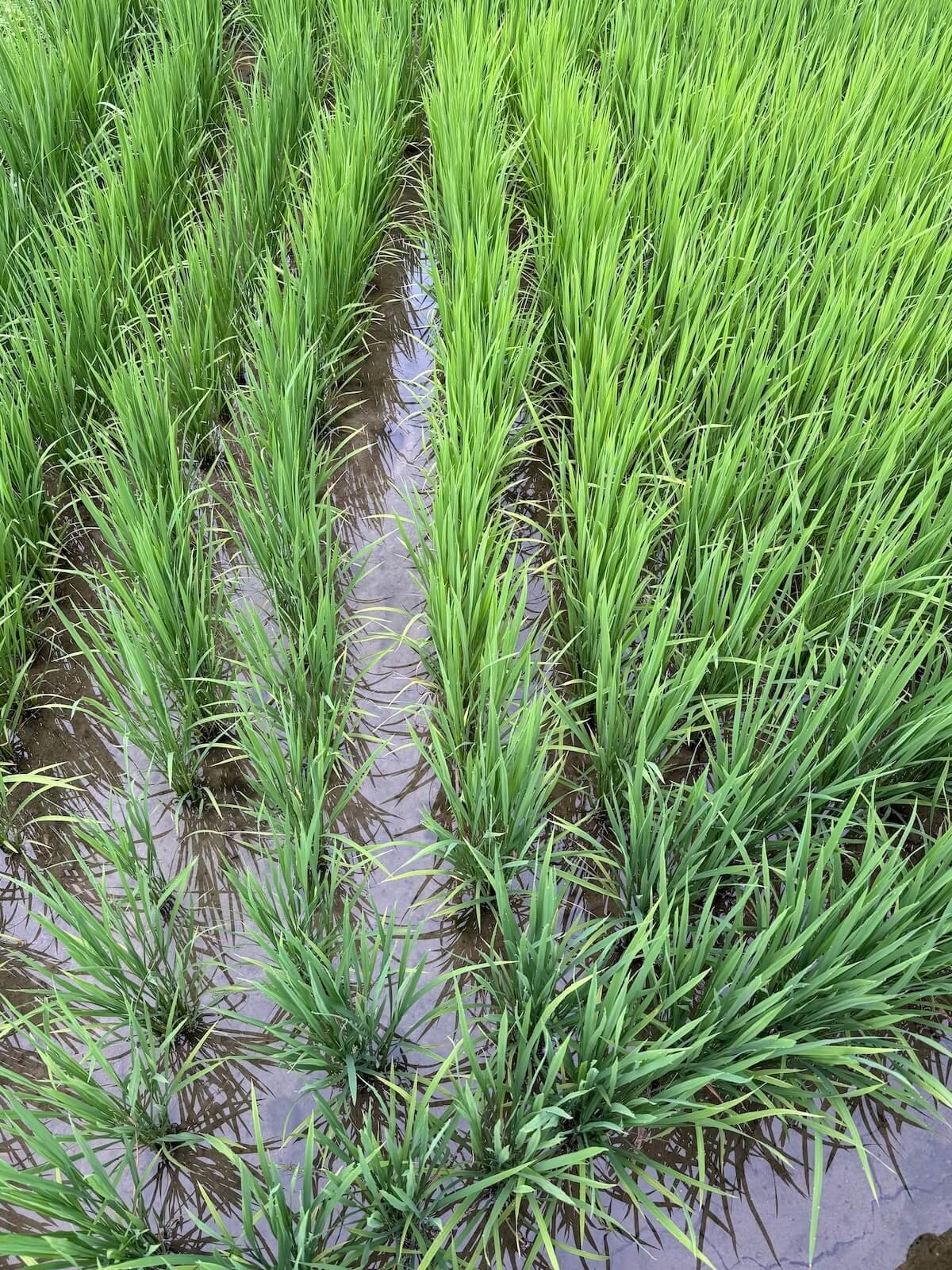
Rice plants growing in one of the countless paddies (known as tanada) in Japan
Rice, in all its great variety, is one of the world’s most widespread staple foods, a core element of meals across many countries and cuisines. Although there are thousands of varieties of rice, and it is cultivated in over a hundred countries, it is particularly important to Asia, and was established in India, China, and all across SE Asia by 2000 BC. Rice has advantages over other staple foods, in that it is relatively dry when harvested, so keeps well and for a longer time than other crops, such as wheat or barley. It is also highly absorbent, which makes it a glorious carrier of flavor, whether those be the umami richness of a stock, the heat and aromatics of spice, or the tangy rice-vinegar glaze used to coat the rice for making sushi.
Different cuisines, from English baked rice puddings, to India biryani, from a fine Italian risotto, to West African Jollof rice or Spanish paella, use different varieties of rice. Texture in the finished dish is key. Longer grain varieties, such as Basmati, tend to a less starchy end result, and are often washed ahead of time to ensure free-flowing and separate grains. Stickier rice dishes, whether sweet or savory, make the most of rice’s glutinous or starchy quality – you want this for your Japanese sticky rice or the ooze of a perfect risotto. To select and buy the best rice for your dish, first consult the recipe. If a particular variety is needed it will say so – for example Arborio or Carnaroli for risotto. Or it may specify more broadly, such as long grain white rice, brown rice, or pudding rice – in which case you don’t need to look for a particular variety, just that type. Supermarkets do now stock many types of rice, so you can buy what you need for your dish. In some cases, you may like to go to a specialist shop or market. For example, a Japanese supermarket will be sure to have the best rice for sushi, when an ordinary supermarket outside of Japan might not.
Wholegrain rice can be brown, red or black, and refers to rice that has been removed from the husk, but not milled or polished. Those varieties take longer to cook, and have a firmer, nutty texture and flavor. Retaining the husk’s nutrients, they are a very nutritious and flavorful alternative to white rice in many dishes. ‘Wild’ rice, which has fine very dark grains, is actually a wild grass, and not a variety of rice. But it is often combined with other varieties of rice, or used in similar types of dishes, so is worth a mention.
Whether you are a paella lover, or a sushi aficionado, we’ve put together a selection of core recipes, and then a series of collections, so you can dig into a range rice dishes in all their delicious diversity.
What to make with rice… Core recipes
This collection is full of the basic recipes you need to start exploring a world of rice cookery. We have assembled a curated shortlist of recipes and techniques to help you approach each different type of rice. Understanding the basic technique of how to make a risotto, or how to cook the rice before attempting to make sushi, is key to a successful result. Some dishes, such as sushi, or arancini, need you to make the rice ahead. In some, like rice pudding, or Jollof rice, the cooking is integral to the finished dish. Either way, cook or read your way around this round up of rice knowledge, and prepare for some very delicious rice dishes.
Search
Latest Blog


Frequently Asked Questions
Adjusting the yield of our recipes is simple and designed to fit your table, whether you are cooking for one or hosting a dinner party. Most recipes in our cookbooks are optimized for four to six servings, but they can easily be scaled by multiplying or dividing the ingredient measurements accordingly. We recommend keeping a close eye on cook times when scaling down, as smaller portions may heat through more quickly, and always seasoning gradually to ensure the flavors remain perfectly balanced as the volume changes.
Our cookbooks are written with the home cook in mind, so you won’t need a kitchen full of industrial equipment to achieve professional results. We focus on recipes that utilize standard essentials like a sharp chef’s knife, a reliable skillet, a medium saucepan, and basic measuring tools. If a specific dish requires something more specialized, such as a food processor or a Dutch oven, we clearly note it at the start of the recipe and often provide suggestions for common household alternatives you can use instead.
Every book we publish is crafted to be approachable and empowering for cooks at any skill level, including those just starting their culinary journey. We strip away the intimidating jargon and replace it with clear, chronological instructions and helpful “Chef’s Notes” that explain the techniques behind the steps. Our goal is to help you build kitchen confidence with every page turn, ensuring that even our most impressive-looking dishes are achievable for someone picking up a spatula for the first time.
Think of this cookbook as a flexible roadmap for your kitchen adventures rather than a rigid set of rules. We encourage you to browse by your current mood or time constraints using our organized chapters, and don’t be afraid to make the book your own by jotting down notes or substitutions in the margins. Whether you are following a recipe step-by-step for a special occasion or just looking for a quick weeknight spark of inspiration, these books are designed to be durable, practical companions that grow more seasoned and loved with every meal you prepare.