Behind the Cookbook: The Art of Parsi Cooking
Niloufer Mavalvala’s books have helped to bring Parsi cooking to widespread attention. In this latest Behind the Cookbook feature, Niloufer tells ckbk about the origins of this unique style of cooking and how she came to write The Art of Parsi Cooking (just added to ckbk) and its followups including The World of Parsi Cooking.

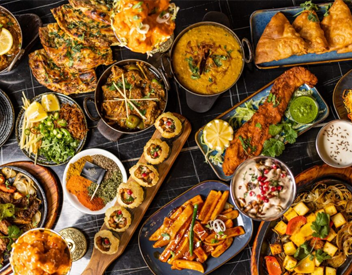
For those unfamiliar with Parsi cuisine, it stems from a culmination of Persian and Indian cuisines. It is what migrants from Pars (hence Parsis), a region of ancient Persia inhabited by followers of Zarathushtra or Lord Zoroaster, also known as Zarthostis and Zoroastrians, embraced and adapted to when they landed in India. Eating local produce meant creating a variant, which slowly evolved into a unique and distinct cuisine. The addition of spices and coconut, both plentiful, were introduced to their cooking. India was being colonised, and the food was influenced by them over the years. The Portuguese gave us vinegar, the British gave us custards, and the Dutch introduced us to biscuits that we call batasas.
As a young girl, my memory of growing up with delicious meals is vibrant. I only enjoyed eating Parsi food, and everything else seemed to be extremely foreign to my palate. My parents often took us on family holidays to other countries, and while I loved everything about that, I struggled to ever enjoy a proper meal. Back home, my mum continued to prepare other cuisines that they fancied, but fortunately it was only for dinner parties, and I was allowed to enjoy simple everyday Parsi cooking. Food was important in my family, and I had a hearty appetite to relish it. Our table conversations were often about what to cook next.
|
|
Search
Latest Blog


Frequently Asked Questions
Adjusting the yield of our recipes is simple and designed to fit your table, whether you are cooking for one or hosting a dinner party. Most recipes in our cookbooks are optimized for four to six servings, but they can easily be scaled by multiplying or dividing the ingredient measurements accordingly. We recommend keeping a close eye on cook times when scaling down, as smaller portions may heat through more quickly, and always seasoning gradually to ensure the flavors remain perfectly balanced as the volume changes.
Our cookbooks are written with the home cook in mind, so you won’t need a kitchen full of industrial equipment to achieve professional results. We focus on recipes that utilize standard essentials like a sharp chef’s knife, a reliable skillet, a medium saucepan, and basic measuring tools. If a specific dish requires something more specialized, such as a food processor or a Dutch oven, we clearly note it at the start of the recipe and often provide suggestions for common household alternatives you can use instead.
Every book we publish is crafted to be approachable and empowering for cooks at any skill level, including those just starting their culinary journey. We strip away the intimidating jargon and replace it with clear, chronological instructions and helpful “Chef’s Notes” that explain the techniques behind the steps. Our goal is to help you build kitchen confidence with every page turn, ensuring that even our most impressive-looking dishes are achievable for someone picking up a spatula for the first time.
Think of this cookbook as a flexible roadmap for your kitchen adventures rather than a rigid set of rules. We encourage you to browse by your current mood or time constraints using our organized chapters, and don’t be afraid to make the book your own by jotting down notes or substitutions in the margins. Whether you are following a recipe step-by-step for a special occasion or just looking for a quick weeknight spark of inspiration, these books are designed to be durable, practical companions that grow more seasoned and loved with every meal you prepare.